About the project
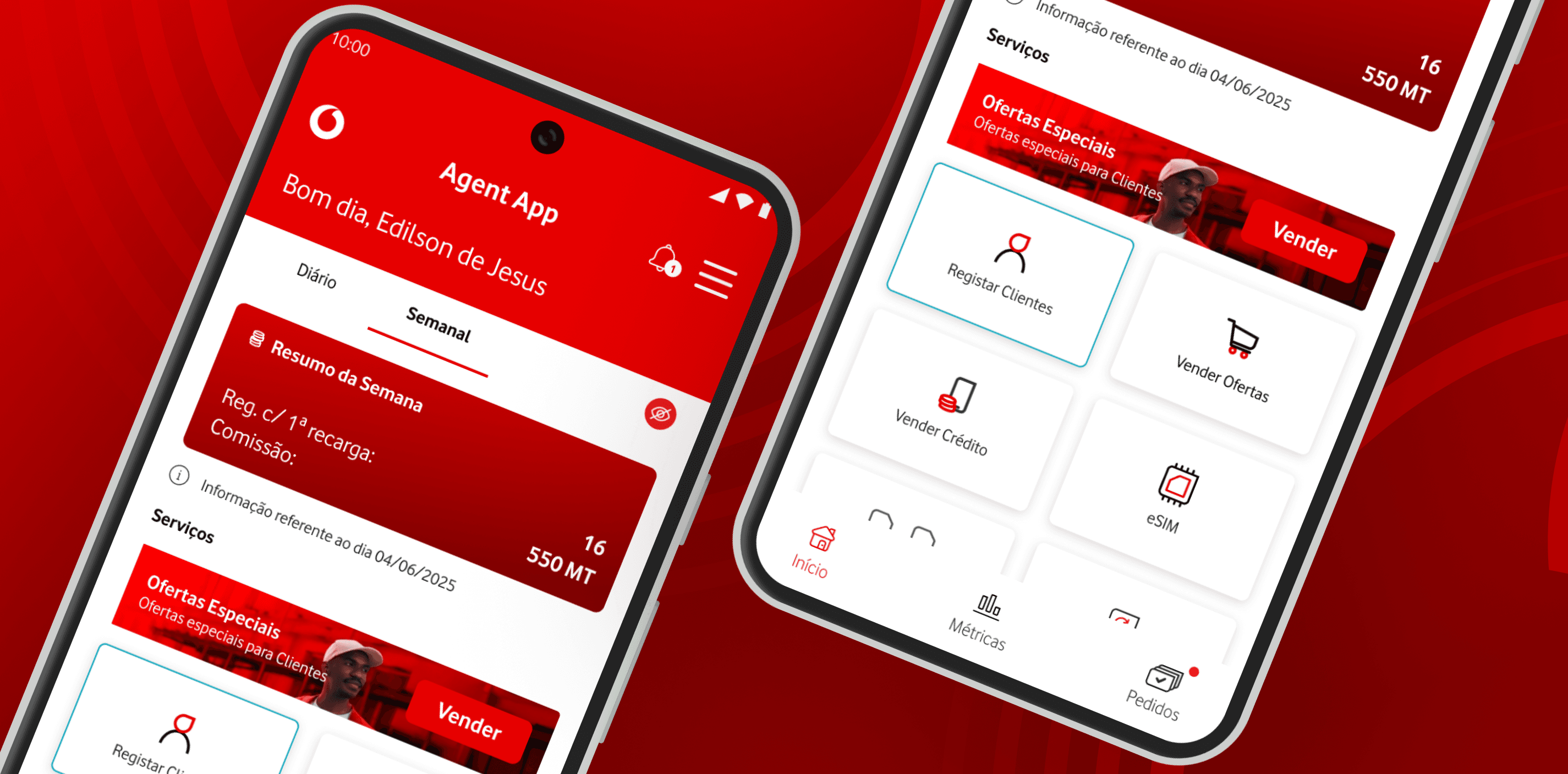
Agent App is Vodacom Mozambique's primary field platform, a single app covering 15+ user journeys across 8 services, from customer registration to SIM swap, merchant onboarding, and sales. I am the sole designer responsible for the entire product.
The app also operates alongside a large backoffice platform, also designed by me, that supports operations, validation, and data management.
Date:
2022
Client:
Vodacom Mozambique
The Challenge
Field agents use the Agent App in demanding conditions, outdoors, in markets, under direct sunlight, often on low-end Android devices with unstable connectivity. The app is their primary work tool, used dozens of times a day to register customers, sell products, and report activity.
When I joined, the interface had grown without a dedicated design process. Small touch targets, duplicated labels, and a lack of regulatory compliance made every interaction slower and more error-prone than it needed to be.
On top of that, new regulatory requirements were being introduced: liveness detection, OCR document capture, and biometric verification, that the existing flows couldn't support without a full redesign.
The Platform Scope
The Agent App serves 6 distinct user types, from in-store agents at official retail points to street vendors in open markets. Each profile has different workflows, but all share the same constraint: complete tasks fast, accurately, and with minimal training.
Street Vendor
Works in open markets and informal settings. Focuses on quick transactions and customer activation in the field.
In-Store Agent
Operates at official Vodacom retail points. Handles customer registrations, SIM swaps, and product sales daily.
Corporate Agent
Manages business services for companies and organisations across Vodacom's corporate portfolio.
TSR / Onboarding Agent
Responsible for registering and onboarding new agents onto the platform across different regions.
Phone Vendor
Sells their own phones and earns commissions by incentivising customers to activate a Vodacom SIM at point of sale.
Store Owner
Owns a retail point and manages their team of vendors, monitoring individual sales performance and commissions.
Process and Strategy
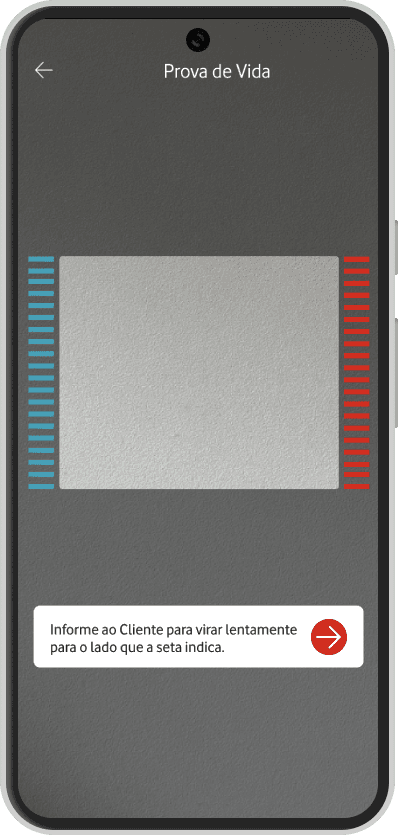
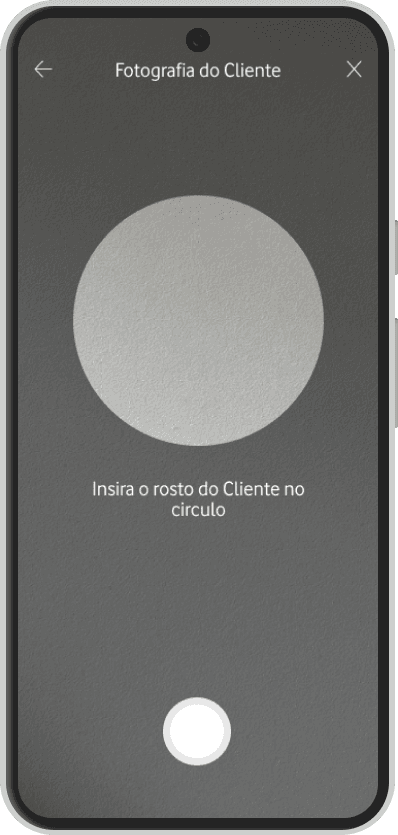
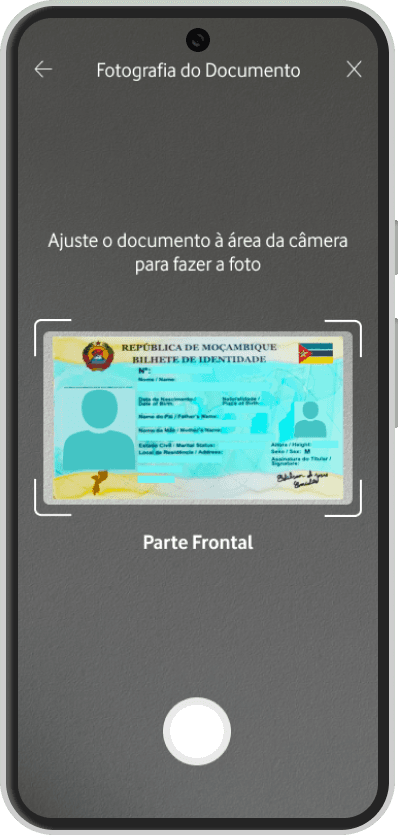
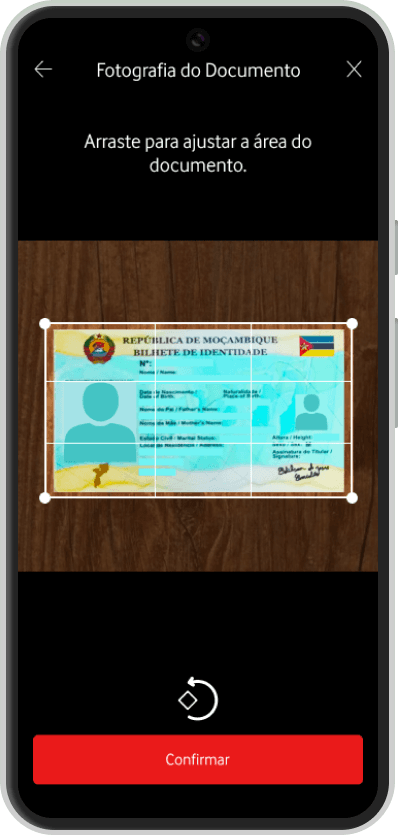
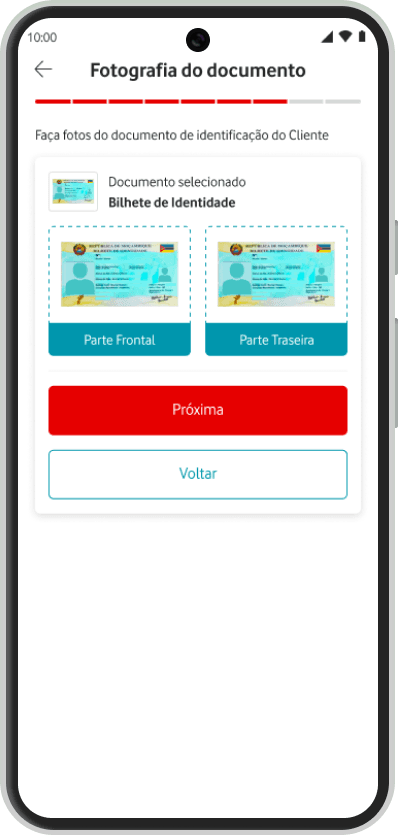
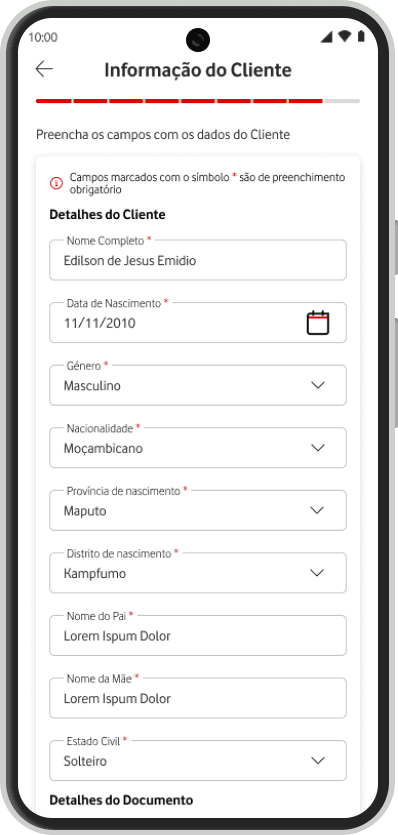
Registering a new customer involves a multi-step process, including liveness detection, OCR document capture, biometric verification, signature, and proof of residence. Field agents complete this flow dozens of times a day on low-end Android devices.
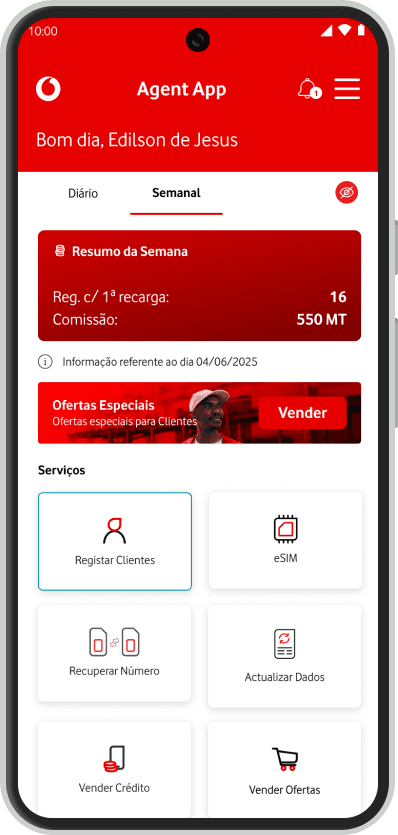
The solution was a service-based navigation model, where each service appears as a direct access point on the home screen. To avoid overload, services are allocated based on the agent profile, each user only sees what is relevant to their role.
To ensure consistency and reduce the learning curve, journeys with similar objectives share the same visual and interaction structure. An agent who learns one journey can navigate the rest with ease.
For each journey, I worked closely with Product Owners to understand business rules, regulatory requirements, and edge cases before moving to visual design. As the sole designer across the entire platform, balancing this alignment with speed was critical. Designing directly in high-fidelity against an established component library allowed me to iterate fast and maintain absolute consistency without sacrificing precision.
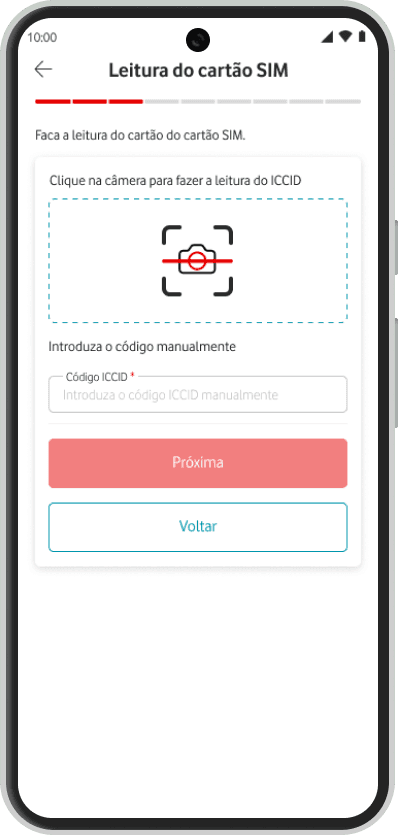
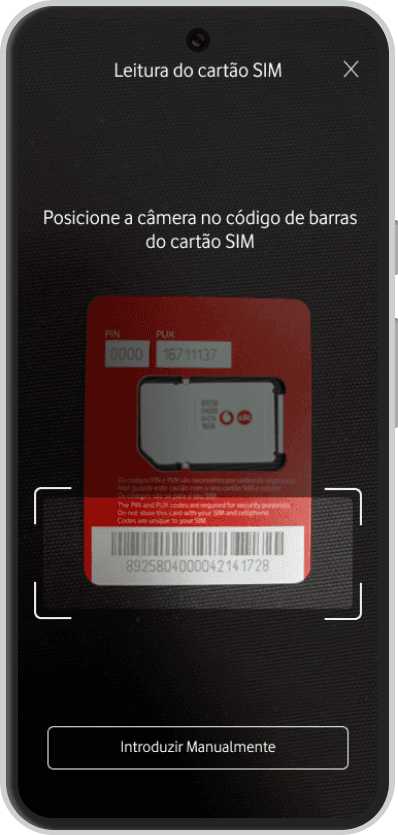
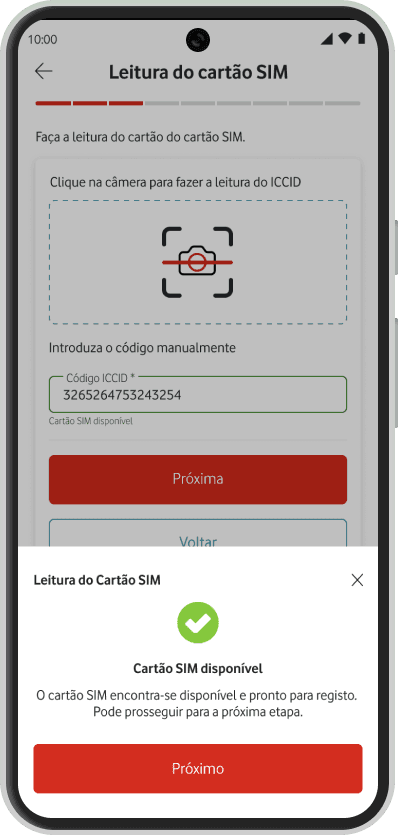
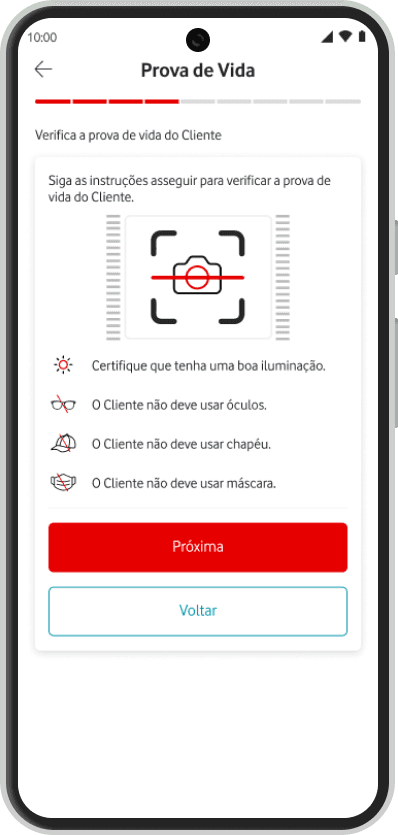
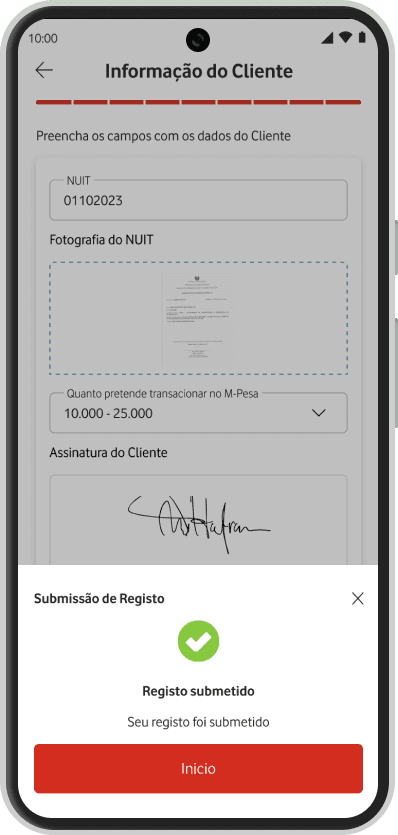
Journey A: Customer Registration
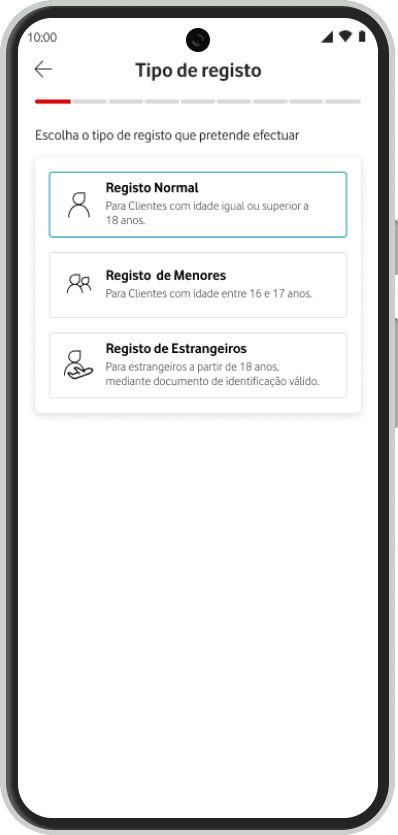
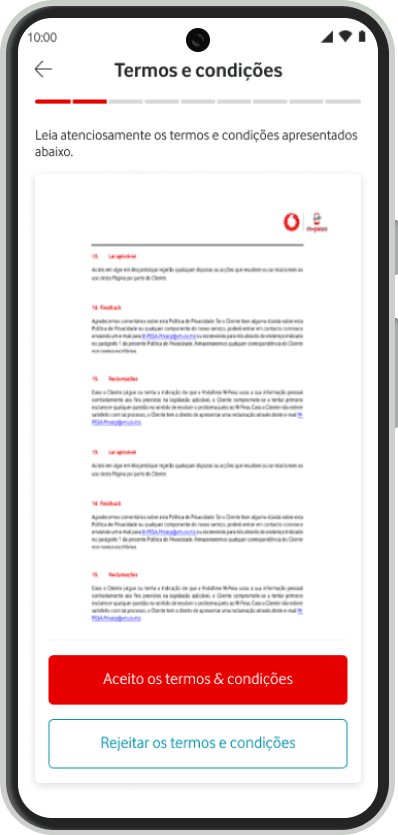
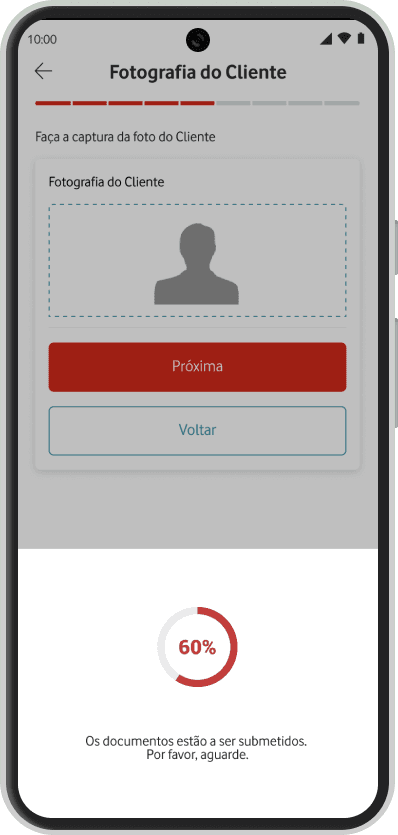
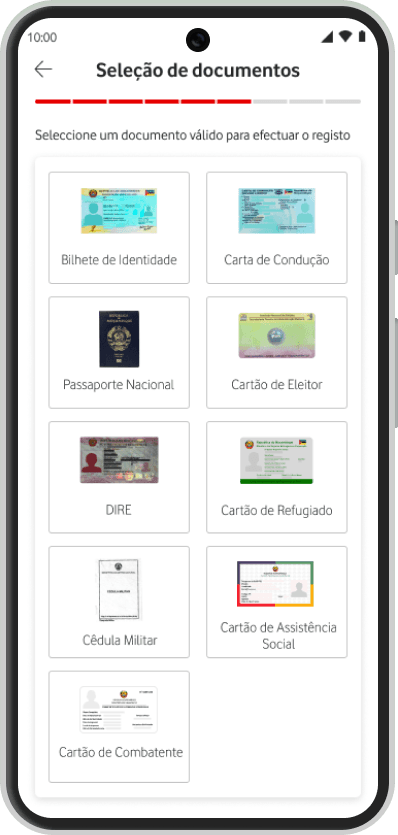
Registering a new customer involves 9 steps, including liveness detection, OCR document capture, biometric verification, signature, and proof of residence. Field agents complete this flow dozens of times a day on low-end Android devices.
My primary design constraint was clarity of action. Every step needed to be immediately obvious, with no room for hesitation or error. Large touch targets, clear progress indicators, and a single action per screen kept the flow fast and error-free.
Since launch, the new flow directly contributed to a 60% reduction in registration rejections by the regulator, effectively eliminating human error in the field and streamlining backoffice operations
Journey B: Open Market
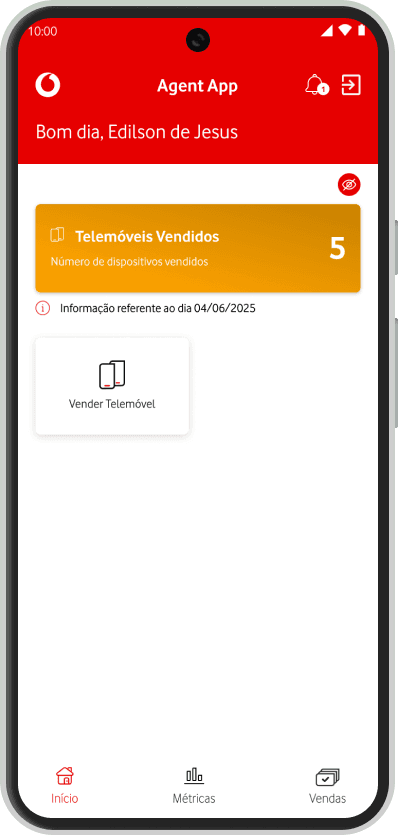
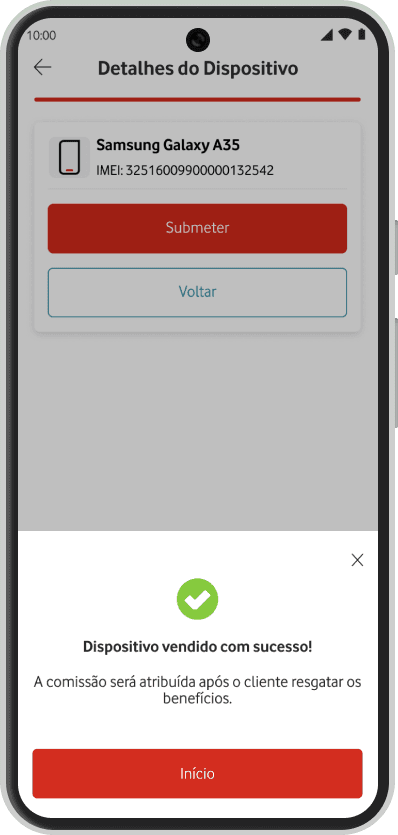
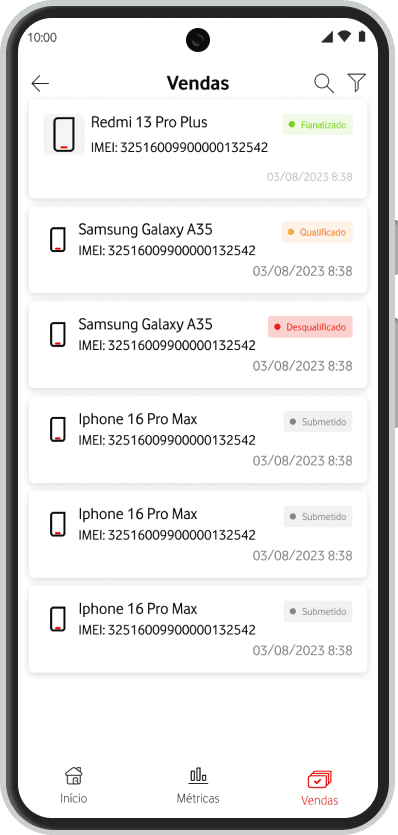
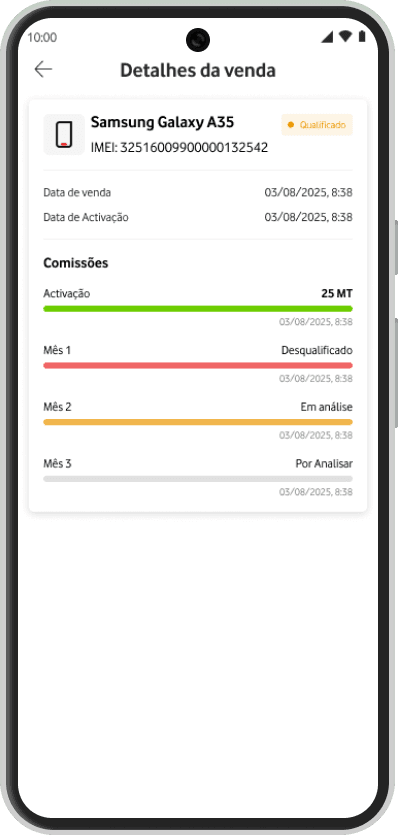
The Open Market programme turns independent phone vendors into an extended Vodacom distribution channel. Vendors sell their own phones and earn commissions when customers activate a Vodacom SIM.
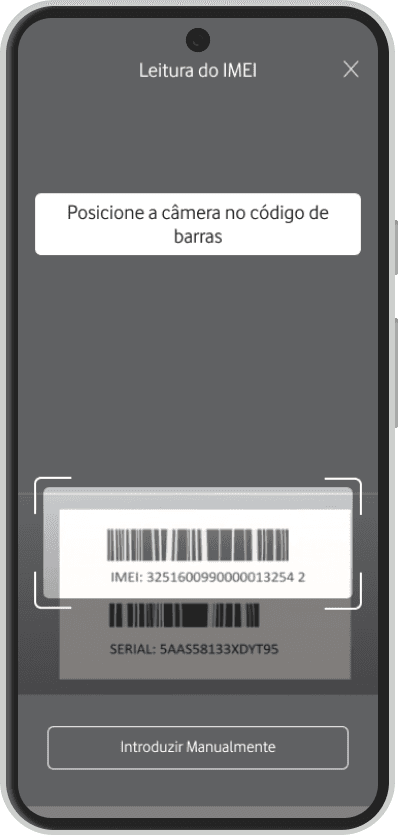
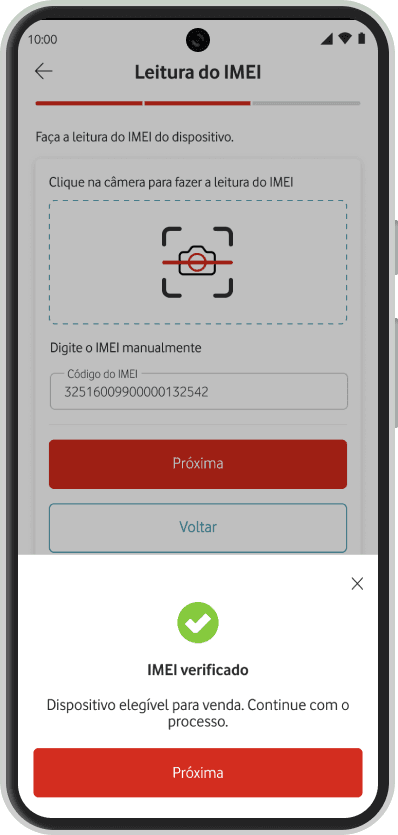
The vendor flow was designed to be as short as possible. Open the app, tap sell, scan the IMEI, confirm the sale, done. The commission is attributed automatically once the customer activates their Vodacom SIM.
The primary user had no prior training and no obligation to use the product. Every extra step was a reason to abandon. Brevity was the design principle.
The programme launched successfully and showed strong adoption in the first weeks (specific metrics are confidential).
A Moment That Changed How I Design
Early in the project, I was designing the home screen dashboard. Agents needed to quickly check their registration numbers and pending commissions, with data split between daily and weekly views.
I designed two versions: one with a swipe gesture to switch between views, and one with two static buttons. The swipe felt more modern. We voted internally and most people preferred it.
Then someone said: "Why don't we just go downstairs and ask the agents?"
So we did. Me and the Product Owner walked out of the building, spoke to agents on the street, and visited the Vodacom store on the ground floor. 90% of them preferred the buttons.
That moment shifted how I approach every design decision in this product. Mozambican users, especially in field contexts, consistently favour simplicity and clarity over modern interaction patterns. Since then, before reaching for a fancy interaction, I always ask: will our agents understand this immediately?
That shift in thinking is visible throughout the entire Agent App, in every touch target, every label, every flow. Simplicity is not a constraint here. It is the design principle.